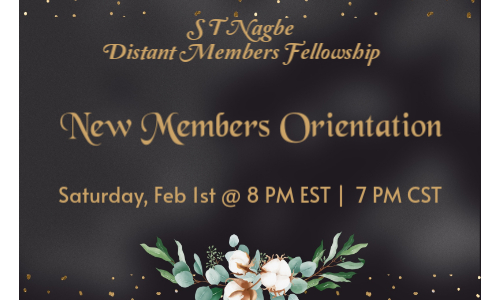
S. T. Nagbe Distant Members Fellowship ~ Father’s Day Program
/4 Comments/in News, Uncategorized/by aramintaUnconditional Love: A Tribute to Mothers
/in News, Uncategorized/by aramintaOn May 18, 2025, the Distant Members Fellowship (DMF) celebrated Mother’s Day in a unique blend of reflection and joy, filling the atmosphere with a sense of community and gratitude. The atmosphere was paradoxically spirited and pensive as the community came together to commemorate this special day, honoring the selfless love and dedication of mothers.
DMF President Bro. Dartor Bolo skillfully emceed the program, interspersing lighthearted comments about motherhood and mothers that brought both laughter and thoughtful moments. His words set the tone for a celebration that would be both uplifting and poignant. The celebration began with an opening prayer by Rev. Henry Dolopei, followed by a warm welcome from Bro. Elm Matthews to all attendees, especially the mothers of the Fellowship. Matthews’ words of appreciation highlighted the vital role mothers play in shaping the lives of their children and the community.
Bro. Teewon Dolopei, a leader of the Fellowship, read Proverbs 31:26-29, which highlighted the virtues of mothers who “open their arms to the poor and extend their hands to the needy.” His reading served as a reminder of the importance of kindness, compassion, and generosity. A poignant moment ensued as former Board Chairperson Fth. Ezax Smith led the Fellowship in the honoring of deceased mothers and women who had made significant contributions to the Fellowship. With reverence and affection, he remembered them as pillars of strength and wisdom who nurtured their families and the Fellowship.
He invited members to observe a moment of silence, during which they verbalized the names of the deceased mothers, keeping their memories alive. The room fell silent, filled with the articulation of names spoken in remembrance. This solemn tribute was followed by a heartfelt video tribute to living mothers, showcasing their love, dedication, and impact on their families and the community. Bro. Saah Kpakar’s poem celebrating mothers and motherhood resonated deeply with the audience, capturing the essence of motherly love and sacrifice.
The president then congratulated Sis. Betty Clinton of Rhode Island and Sis. Ora Weah of Minnesota, who were honored as Mother of the Year in their local churches. Bro. Syewon Weah, Ora’s husband, extended congratulations on behalf of the DMF, and both mothers expressed gratitude for the recognition. The Fellowship joyfully sang the STNUMC birthday song to Sis. Ora Weah, who was celebrating her birthday that day, adding a touch of warmth and celebration to the event. A subsequent video presentation featured children expressing appreciation to their mothers, highlighting the impact of motherly love on the younger generation. Gifts were presented to the mothers through a raffle draw, and Rev. Morris Jarkloh offered a special prayer, blessing the mothers and their families. Fth. Samuel Wuo delivered the Vote of Thanks, and Bro. Kwia gave the closing prayer, concluding a memorable celebration that balanced reflection and joy.
The DMF’s Mother’s Day celebration was a testament to the power of community and the importance of honoring and appreciating mothers. It was a day filled with love, laughter, and tears, a day that would be remembered for years to come. As the members departed, they carried with them a renewed sense of gratitude for the mothers in their lives and a deeper appreciation for the values that mothers embody.
Strengthening the Bridge to the Future
/in News, Uncategorized/by aramintaOn February 16, 2025, the DMF launched its ‘Bridging the Gap’ program, designed to empower young people from Fellowship families. The initiative included a workshop, expertly led by two professionals, focusing on knowledge, skill-building, and nurturing positive relationships among participants.
Knowing that the stronger a bridge is, the longer it will last, the DMF strengthened its ‘Bridging the Gap’ initiative with a workshop themed ‘Social Media and Self-worth’ on April 6, 2025. This virtual event, attended by numerous young people and adults, focused on empowering participants to navigate life’s challenges through self-development. Expert speakers Rev. Dr. Andrew Okai and Mrs. Goumah Bass-Conde shared valuable insights, guiding attendees toward a healthier understanding of self-worth in the digital age.
Rev. Dr. Okai kicked off the workshop with a thought-provoking session on ‘The Impact of Social Media on Our Minds and Self-worth.’ From a biblical standpoint, he highlighted four key effects of social media, starting with ‘The Comparison Trap.’ This phenomenon often leaves users questioning their self-worth, feeling inadequate, and focusing on others’ lives rather than on their own journey. To combat this, Dr. Okai suggested taking breaks from social media and embracing individuality, citing Galatians 6:4, which encourages a healthy self-pride rooted in one’s unique identity in Christ.
Dr. Okai highlighted the ‘Identity Crisis’ as the second impact of social media, where users seek validation through likes and approval from others. To combat this, he suggested finding identity in God’s word, citing Psalm 139:14 as an example, where David celebrates being ‘fearfully and wonderfully made.’ By anchoring their self-worth in scripture, believers can develop a strong sense of identity that isn’t swayed by external opinions but rather defined by God’s declaration of who they are.
Dr. Okai identified ‘The Battle of the Mind’ as the third impact of social media, where conflicting voices and false ideologies create a spiritual battleground, leading to distraction, insecurity, and anxiety. To overcome this, he encouraged listeners to recall their God-given purpose and apply Romans 12:2, where believers are encouraged to transform their minds rather than conform to the world. By choosing to immerse themselves in God’s Word, as outlined in 2 Corinthians 10:3-5, believers can resist the enemy’s strongholds and emerge victorious in the mental battle.
Dr. Okai highlighted the fourth impact of social media as ‘The Power of Influence,’ urging users to consider who they’re allowing on social media platforms to shape their thoughts and actions. As ambassadors of Christ, believers have a responsibility to reflect His character online. Dr. Okai encouraged young people to live out Matthew 5:13-16, becoming ‘salt and light’ in the digital world by standing out for their faith. Following his insightful presentation, there was a heartfelt exchange of gratitude, and a Q&A session allowed for further discussion and clarification.
Mrs. Goumah Bass-Conde, a licensed marriage and family therapist a member of the Fellowship residing in Georgia, discussed ‘Social Media and Mental Health.’ She defined social media as a platform for social interaction and content creation, emphasizing its connection to self-worth. According to her, social media reflects users’ core values, influencing their sense of identity and well-being.
Mrs. Bass-Conde underscored the dual nature of social media, discussing both its benefits and risks. On the positive side, she noted that social media serves as a valuable learning tool, offering a wealth of information and raising awareness about important issues like mental health. Additionally, it promotes globalization by connecting people worldwide by fostering a sense of community.
Mrs. Bass-Conde explored the dual nature of social media, highlighting both its benefits and risks. She noted that social media serves as a valuable learning tool, offering a vast array of information that raises awareness about important issues like mental health. Additionally, she emphasized its role in fostering globalization by bridging geographical gaps and creating a connected global community.
However, alongside its benefits, social media also poses risks, particularly for adolescents. According to Mrs. Bass-Conde, it’s crucial for young people to be aware of these risks, as they’re navigating a critical stage of development known as ‘Identity vs. Confusion,’ a concept introduced by Erik Erikson. During this phase, adolescents are trying to figure out who they are and define their place in society.
Mrs. Bass-Conde highlighted social media addiction as a significant risk, warning that it can have far-reaching consequences. Excessive social media use can lead to decreased productivity, strained relationships, and have negative impacts on mental health, leading to anxiety, depression, and overall dissatisfaction with life. Furthermore, she noted that social media addiction can undermine self-esteem – a crucial aspect of development for young people. She defined self-esteem as a positive and realistic self-image, essential for becoming a well-adjusted adult.
Mrs. Bass-Conde emphasized the importance of social relationships in shaping our identity and overall well-being, particularly in relation to self-esteem. She stressed that for young people to develop healthy self-esteem in the digital age, it’s essential to have a strong sense of self and a clear purpose for using social media. By knowing themselves and defining their intentions, users can avoid letting social media dictate their self-worth and instead maintain a confident sense of identity.
Mrs. Bass-Conde concluded her presentation by offering practical tips for maintaining a healthy relationship with social media. She encouraged her audience to cultivate self-worth by embracing their identity from God’s eyes, citing scriptures like Jeremiah 1:4-5, Jeremiah 29:11, and 2 Timothy 1:7. She also advised young people to be thoughtful in their online interactions, take breaks from social media, stay true to their values, and live according to God’s plan for their lives. To drive her point home, she shared two powerful quotes: ‘We love because He first loved us’ (1 John 4:19) and ‘I do not fix my problems. I fix my thinking, and my problems fix themselves’ by Louis Hay.
Following Mrs. Bass-Conde’s inspiring presentation, the attendees expressed their heartfelt gratitude. The group then divided into breakout sessions for young people and adults, where lively discussions took place. After reconvening, each group shared their key takeaways. The Fellowship leaders offered closing remarks, and Rev. Morris Jarkloh led the final prayer. The workshop showcased the DMF’s commitment to building a stronger future, evident in the quality of events and the young leaders’ enthusiasm and participation.
The DMF Launches Program with Young People
/in News, Uncategorized/by Levi WilliamsBuilding a Bridge to the Future
The DMF Launches Program with Young People-By Rev. Levi Williams
The Distant Members Fellowship (DMF) is building a bridge to the future by empowering its young members. This initiative began during the 2024 General Assembly when Sis. Nana Kpaan-Allison noted the absence of young people in Fellowship events. Inspired by this observation, King Teewon Dolopei and Queen Cecelia Kai saw an opportunity to organize the young members and nurture their growth.
The DMF’s youth initiative took shape through collaborative planning and discussions. A key planning session in early 2025 united leaders and young people, sparking ideas and enthusiasm. This momentum culminated in the launch of “Bridging the Gap – A Royal Initiative” on February 16, 2025.
The launch event of “Bridging the Gap – A Royal Initiative” was a resounding success, with young people playing key roles. They served as emcees, led prayers, read scripture, and actively participated in the program. A highlight was a Bible game organized by Dave Gondoun, which drew enthusiastic participation.
Queen Cecelia Dunn-Kai welcomed attendees and shared the initiative’s origin story, highlighting her and King Teewon Dolopei’s vision to unite and nurture the Fellowship’s young people.
The launch program featured:
1. A video showcasing young people’s introductions and aspirations
2. A PowerPoint presentation by Samory Fonderson outlining the program’s details
The program is designed for youth (16-23) and young adults (24-30), with a mission to:
– Empower DMF members’ children to become active participants
– Foster personal growth, leadership, and community building
This initiative formally recognizes young people as vital to the Fellowship. Young Fonderson then outlined the program’s vision, which includes developing stronger bonds, nurturing a vital community, and bridging the generational gap. The program’s objectives include leadership development, college preparation, and fostering healthy relationships.
The program will be implemented in two phases. The first phase will focus on relationship building, while the second phase will emphasize mentorship and career development.
The program’s benefits include encouraging participation in Fellowship activities, providing a safe platform for self-expression, and fostering respectful interaction.
To implement the objectives, three events are proposed for 2025:
1. Lunch and Learn (early April)
2. Back-to-School program (August)
3. Graduation program (end of the academic year)
There was an overview of a proposed organizational structure. The group of youth and young adults will be self-governing, with biennial elections of core officers. There will also be three committees: a Program/Activities Committee, a Spiritual Committee, and a Membership/Networking Committee. The King and Queen of the Fellowship will provide supervision and guidance to the group. WhatsApp and Instagram groups will be formed, in addition to the introduction of a newsletter.
A question-and-answer session followed, after which various leaders and eminent persons of the Fellowship made remarks and shared their vision for the initiative and its role in the Fellowship. The chairperson of the Program Committee, Florence Fonderson, expressed profound gratitude to the young people for organizing and participating in the program.
The future of the DMF shines brightly, anchored by a bridge of innovation and unity. The ‘Bridging the Gap’ initiative has ignited a beacon of hope, showcasing the power of collective vision and youthful energy. With its strong foundation and limitless potential, the DMF is poised to reach new heights, forging a brighter tomorrow for generations to come.”
Strategic Plan 2025-2027
/in News/by Dator BoloS T Nagbe UMC
Distant Members Fellowship
One Stop Shop
Theme
“Growing Together in Christ.”
Vision:
■ Provides sustainable support to the local
church, fostering its growth and vitality.
■ Offers assistance to members in need,
promoting a culture of care and compassion.
■ Facilitates Christian discipleship among its
members, nurturing spiritual growth and
development
DAILY Scriptures
Central Region Raffle Draw April 5th
Lunch and Learn (Students) April 6th
Regional Acquaintance: April 13th
Monthly Fast and Prayer April 17th
DMF Greetings from Abroad April 19th
Launching of the Multipurpose Building
Project
DMF General Meeting April 27th
Adult Lunch & Learn
May
Daily Scriptures
Central Region Food Bagging: May 10
Monthly Fast and Prayer: May 15
DMF Mother’s Day May 18
Northeast Region Food Sale May 31
June
Daily Scriptures
New Members Orientation June 8
Monthly Fast and Prayer June 19
DMF Father’s Day June 22
July
Daily Scriptures
Monthly Fast and Prayer July 17
Northeast Region Food Sale July 26
Southeast Region Sale July 26
DMF General Meeting July 27
Adult Lunch & Learn
August
Daily Scriptures
Virtual Graduation Ceremony Aug 3rd
Monthly Fast and Prayer Aug 21st
Central Region Boat Ride Aug 23rd
Back to School Program Aug 30th
Goal 1: Supporting the Multi-Purpose Building Project
To provide operational support and financial
planning expertise, enabling the church to
generate funds required to complete the first
floor of the multi-purpose building.
■ Objective:
Establish sustainable Funding Streams.
Identify and develop long-term, reliable
sources of income to support the church’s
financial stability and growth.
Goal 2: Empowering
Ministries and Programs
To support and enhance the church’s
ministries and programs focused on
development, evangelism, discipleship, and
sustainability, ultimately fostering spiritual
growth, community engagement, and long-
term viability.
■ Objective:
Nurture Spiritual and Social Well-being
Uphold and strengthen social and spiritual
programs that cater to the diverse needs of
September
Daily Scriptures
Southwest Region Sweater Sale: Sept 1st
Career Day Sept 6th
Monthly Fast and Prayer Sept 18th
In-Person Board Meeting Sept 19-21st
October
Daily Scriptures
Southeast Region Ornament Sale Oct 1st
Regional Acquaintance Oct 4th
New Member Orientation Oct 5th
Monthly Fast and Prayer Oct 16th
Planning Retreat Oct 18th
DMF General Meeting Oct 26th
November
Daily Scriptures
Mission Trip Nov 1st
Southwest Region Thanksgiving Bidding
Fundraising Nov 16th
Monthly Fast and Prayer Nov 20th
December
Daily Scriptures
Virtual Christmas Tree Lighting Dec 7th
Ceremony members, fostering a supportive community that
promotes spiritual growth, emotional well-being, and holistic development.
Calendar of Events-2025
The Monthly Fast and Prayer is
Third Thursday of each month
General Meeting Every Quarter
Board Meeting Every Quarter
January
Daily scriptures
Monthly Fast and Prayer Jan 15th
Live Streaming of S T Nagbe
Worship Service (Launch Day) Jan 25th.
February
Daily Scriptures
New Members Orientation Feb 1st
Launching Mentorship Program Feb 9th
Empowering our Leaders Seminar: Feb 16th
Monthly Fast and Prayer Feb 20th
March
Daily Scriptures
Northeast Region Popcorn Sale: March 1st
Board Meeting March 6th
Launching of Health Kit March 17th
Program March
Monthly Fast and Prayer March 20
April 2025
Monthly Fast and Prayer
Projects:
■ Completing the first floor of
the multi-purpose building.
■ Backpack Support Initiative
■ Health Kit Outreach
■ Empowerment Through
Mentorship
Budget:
■ Projected Income 2025: $ 124,620.00
■ Projected Expenditures 2025: $ 120,460.00
■ Project Fee per member: $ 200.00
■ Annual Membership Due: $ 60.00
■ Benevolence Fee: $ 10.00
Regions:
Northeast
Central
Southeast
Southwest
Committees:
Spiritual Growth | Program
Finance | Membership.
Communication
Strategic Plan 2025-2027
/in News/by Dator BoloStephen Trowen Nagbe United Methodist Church Distant Members Fellowship
Strategic Plan Background
The Liberian economy, severely impacted by the 2014 Ebola outbreak and the 2021 COVID-19 pandemic, has faced additional challenges due to the ongoing Russia-Ukraine conflict. This global instability has affected small developing nations like Liberia, necessitating the intervention of organizations like S.T. Nagbe UMC Distant Members Fellowship to bridge the gap.
In this context, the S. T. Nagbe UMC, like other Christian churches and institutions, can no longer rely solely on tithes and offerings to sustain its ministries. To address this challenge, the S. T. Nagbe Distant Member Fellowship (DMF) has developed this strategic plan to explore diverse revenue streams and support the local church and its outreach/mission endeavors.
Each goal is a comprehensive, high-level description that serves as the foundation for our strategic objectives. The framework is structured as follows:
Goals: Broad, overarching descriptions outlining our desired outcomes.
Objectives: Specific, measurable, achievable, relevant, and time-bound (SMART) statements aligning with each goal.
Programs/Ministries: Targeted initiatives and activities designed to achieve each objective, ultimately supporting the sustainability efforts of the local church and its outreach/mission endeavors.
This framework ensures a cohesive and strategic approach to achieving our objectives, driving long-term sustainability and growth for our local church and its ministries.
The Local Church
The Stephen Trowen Nagbe United Methodist Church (S.T.N. UMC) is a local church within the Monrovia District Conference of the Liberia Annual Conference. The church is named in honor of Bishop Stephen Trowen Nagbe, the conference’s first indigenous bishop, who was elected and consecrated in 1965.
Bishop Nagbe faithfully served the church until his passing in 1973, leaving a legacy in the lives of the Liberians and the United Methodist Church.
The Stephen Trowen Nagbe United Methodist Church was formally established on March 19, 1967. Its humble beginnings date back to a Sunday school and Bible Study group held at the Sinkor Public School, now renamed the Joseph Jenkins Roberts United Methodist School, located at the intersection of 12th Street and Coleman Avenue.
As the congregation grew, the group transitioned into regular worship services, eventually expanding to encompass the majority of the Kru and Bassa parishes. These parishes were subsequently consolidated into the Sinkor Parish, with the church serving as a spiritual hub for
the community.
S.T. Nagbe United Methodist Church is one of the fastest-growing churches within the Liberia Annual Conference, boasting a membership of over 2,700 individuals. The church holds two Sunday worship services, at 9:00 am and 11:00 am.
As a mission-focused church, S.T. Nagbe UMC is dedicated to ministering to the community, embracing all individuals regardless of their background, ethnicity, or social status. The church’s outreach initiatives includes hospitals, prisons, and street ministries, providing comfort to the physically challenged, persons with disabilities, and those in need.
In obedience to the “Word” to bear fruit, S.T. Nagbe UMC has successfully established two new preaching points:
Gborgbor Town Preaching Point: Located in Todee District, Bong Margibi County. This preaching point has grown into a fully functioning congregation and has been assigned to the Weala District Conference of the United Methodist Church. Evangelist David Garmonyu was the first assigned local pastor.
Omega United Methodist Church: Established through collaboration with the S.T. Nagbe UMC. This church is located within the Omega Community and has grown into a thriving congregation, providing ministries to the local community.
The Distant Members Fellowship
The concept of forming the Distant Members’ Fellowship of the S.T. Nagbe United Methodist Church was conceived in 2003, when a group of dedicated members came together in fellowship and recognized the need for a unified organization. Informal discussions among members, who would occasionally meet at various events, laid the groundwork for the fellowship. In 2004, these discussions evolved into concrete actions, culminating
in a teleconference that marked a significant milestone in the organization’s development.
Following several teleconferences, the Distant Members’ Fellowship was formally incorporated in the State of Maryland. The inaugural convention, dubbed the “S.T. Nagbe UMC Gathering 2005,” took place from September 2-4, 2005, at St. Matthews United Methodist Church in Maryland.
PREAMBLE
We, the distant members of the Stephen Trowen Nagbe United Methodist Church (also referred to as S.T. Nagbe UMC) of the Liberia Annual Conference, concerned with the growth and development of S.T. Nagbe UMC within the Liberia Annual Conference do hereby constitute ourselves into an organized body to be known as the Stephen Trowen Nagbe United Methodist Church Distant Members Fellowship, Inc. (hereinafter referred to as the “Fellowship”). The S.T. Nagbe United Methodist Church Distant Members Fellowship shall be a nonprofit, nonpolitical, religious, and
charitable organization of Christian believers and individuals who are interested and desire to join the discipleship of Jesus Christ.
The Fellowship desires to coordinate with the S.T. Nagbe United Methodist Church in Liberia and other organizations to achieve the
following:
A. Reconfirm, reaffirm, and renew our covenant to faithfully participate in the ministries of the church by our presence, our prayers, our gifts, our service and our witness.
B. Promote and encourage Christian values amongst members.
C. Strengthen the church’s capacity to win souls to Christ.
D. Engage in activities and programs that will promote growth and development amongst members within the Church; and
E. Rely on the divine guidance of God through Scripture, Tradition, Reason, and Experience for our existence in the United States
and other parts of the world.
The theme of the fellowship is “Growing Together in Christ.”
The vision of the Fellowship
The S.T. Nagbe United Methodist Church Distant Members Fellowship envisions a dynamic and supportive group that:
■ Provides sustainable support to the local church, fostering its growth and vitality.
■ Offers assistance to members in need, promoting a culture of care and compassion.
■ Facilitates Christian discipleship among its members, nurturing spiritual growth and development.
Through this vision, the Fellowship aims to make a meaningful impact on the lives of its members, the local church, and the broader community.
Goal 1: Supporting the Multi-Purpose Building Project
To provide operational support and financial planning expertise, enabling the church to generate funds required to complete the first floor of the multi-purpose building.
Objective 1: Establish sustainable Funding Streams.
Identify and develop long-term, reliable sources of income to support the church’s financial stability and growth.
Objective 2: Expanding Donor Base
Identify, cultivate, and acquire new donors to strengthen the fellowship’s financial capacity, ultimately supporting the completion of the first floor
of the Multi-Purpose Building.
Objective 3: Securing Annual Commitments
Identify and engage individuals willing to make annual financial commitments to support the local church and the fellowship, ensuring a stable and
predictable source of funding.
Goal 2: Empowering Ministries and Programs
To support and enhance the church’s ministries and programs focused on development, evangelism, discipleship, and sustainability, ultimately fostering spiritual growth, community engagement, and long-term viability.
Objective 1: Nurture Spiritual and Social Well-being
Uphold and strengthen social and spiritual programs that cater to the diverse needs of members, fostering a supportive community that promotes spiritual growth, emotional well-being, and holistic development.
Program 1: Virtual Worship Experience
Live-stream worship services through Zoom or a compatible platform, ensuring members near and far can participate and connect with the church community.
Program 2: Spiritual Resource Support
Provide Bibles and other spiritual resources to support the church’s evangelistic and discipleship ministries, empowering members to deepen their faith.
Program 3: Graduation Celebration
Celebrate the academic achievements of church members through a special graduation recognition program, acknowledging their hard work and dedication.
Program 4: Backpack Support Initiative
Provide backpacks and essential school supplies to students from elementary to high school at the start of the school year, helping to alleviate financial burdens and promote academic success.
Program 5: Health Kit Outreach
Ship health kits, including essential hygiene products, to support the health and well-being of youth, particularly female students, in the community.
Program 6: Empowerment Through Mentorship
Establish a structured mentorship program that pairs experienced and trained mentors with individuals seeking guidance, support, and spiritual growth. This program aims to foster meaningful relationships, provide valuable life skills, and promote personal and spiritual development.
ACTION PLAN
This Action Plan defines the specific actions, tasks, resources, and timelines required to achieve the goals and objectives set forth in the strategic plan. It serves as a roadmap for implementation, ensuring that the strategy is translated into actionable steps.
Strategic Goal 1: Supporting the Multi-Purpose Building
Project
To provide operational support and financial planning expertise, enabling the church to generate funds required to complete the first floor of the multi-purpose building.
Action Plan:
| Objective | Action | Responsible Party | Timeline | Resources Needed | Success Matrix | Status |
| Objective 1 Establish Sustainable Funding Streams | Develop long-term, reliable sources of Income | Executive Leadership Team | Q1 – Q2 2025 | 3 on-going income-generating activities by 2nd quarter | Not started | |
| Objective 2 Expand Donor Base | Identify, Cultivate, and Acquire New Donors | Financial Committee or Team | Q1 – Q4 2025 | 3 ongoing income-generating activities by 2nd quarter | ||
| Objective 3 Secure Annual Commitments | Identify and engage individuals willing to make annual financial commitments | Financial Committee or Team | Q1 – Q4 2025 | 3 ongoing income-generating activities by 2nd quarter |
Strategic Goal 2: Empowering Ministries and Programs
To support and enhance the church’s ministries and programs focused on development, evangelism, discipleship, and sustainability, ultimately fostering spiritual growth, community engagement, and long-term viability.
Objective: Nurture Spiritual and Social Well-being – Uphold and strengthen social and spiritual programs that cater to the diverse needs of members, fostering a supportive community that promotes spiritual growth, emotional well-being, and holistic development.
Action Plan:
| Objective | Action | Responsible Party | Timeline | Resources Needed | Success Matrix | Status |
| Program 1 Virtual Workshop Experience | Live-stream workshop services through Zoom or a compatible platform | Communication or IT Team | Q1 – Q2 2025 | $ Equipment technical knowledge and volunteers | Live streaming of worship at least every First Sunday | Not started |
| Program 2 Spiritual Resource Support | Provide Bibles and other spiritual resources | Executive Leadership Team or Program Committee | Q1 – Q4 2025 | $ Solicited donations | At least 300 Bibles delivered along with other spiritual materials | |
| Program 3 Graduation Celebration | Celebrate the academic achievements of church members | Program Committee | Q3 2025 | $ | 50 – 100 students celebrated at the end of academic year | |
| Program 4 Backpack Support Initiative | Provide backpacks and essential school supplies to students | Executive Leadership and Program Committee | By end of 3rd Quarter of 2025 | $ | 1 distribution of 500 backpacks and school supplies by end of 2025 | |
| Program 5 Health Kit Outreach | Ship health kits, including essential hygiene products | Executive Leadership and Program Committee | By the end of 3rd Quarter of 2025 | $ Solicited donations | 1 shipment of xxx quantity of health kids by the end of 2025 | |
| Program 6 Empowerment Through Mentorship | Establish a structured mentorship program that pairs | Executive Leadership Team and Office of Chaplain | Q1 – Q4 | Experienced individuals willing to be mentors Individual interest in being mentored | 5 mentor & mentee relations established by the end of Q3 |
Evaluation Plan
Purpose of the Evaluation:
To assess the progress and effectiveness of the strategic plan, evaluate whether the organization is on track to meet its goals, and make adjustments to ensure success.
Strategic Goal 1: Supporting the Multi-Purpose Building
Project
To provide operational support and financial planning expertise, enabling the church to generate funds required to complete the first floor of the multi-purpose building.
Objective #1 – Establish 3 on-going income generating activities by 2nd Quarter of 2025
| Evaluation Criteria | Indicator | Measurement Tool | Data Source | Frequency of Evaluation | Responsible Party | Target |
| Financial Performance (Revenue Generation) | Total income generated from each activity | Financial reports, revenue tracking tools | List of established programs from program committee | List of established programs from the program committee | Monthly and/or Quarterly | Generate $ X amount in revenue by end of year for each activity |
| Operational Efficiency | Smooth and efficient running of the activity | Activity reports, staff feedback, performance audits | Catalog of activities | Monthly | Program Committee | Activities run smoothly with minimal operational disruptions |
| Stakeholder Satisfaction | Feedback members, guest and other stakeholders | Surveys, interviews, focus groups | Calender of Events | Calendar of Events | Communication Team | 90% stakeholder satisfaction rate |
Objective #2: Three (3) Sustained Donors by the end of 2025
| Evaluation Criteria | Indicator | Measurement Tool | Data Source | Frequency of Evaluation | Responsible Party | Party |
| List of Donors Identified | No. of Donors approached | No. of positive responding donors | List of donors | Monthly | Finance Committee or Team | 3 sustained donors by end of 2025 |
| Number of Sustained Donors Secured | Number of sustained (recurring) donors | Donors management system or list | Internal donation records | Monthly | Finance Committee or Team | 3 sustained donors by end of 2025 |
| Donor Feedback and Satisfaction | Donor satisfaction and feedback | Post-donation surveys, dono interviews | Donor feedback forms, survey data | Ongoing | Executive Leadership Team | 80% satisfaction rate |
Objective #3: Ten (10) annual financial commitments by end of Q4
| Evaluation Criteria | Indicator | Measurement Tool | Data Source | Frequency of Evaluation | Responsible Party | Target |
| Number of Financial Commitments Secured | Number of Financial commitments (e.g., pledges, donations, sponsorship) secured | Commitment tracking system | Internal tracking system or donation management system | Monthly | Finance Committee or Team | 10 commitments by end of 2025 |
| Total Value of Financial Commitments | Total monetary value of commitments | Financial records, donation receipts | Internal financial system | Monthly | Finance Committee or Team | At least six in financial support |
| Types of Financial Support (Diverse Sources) | Number of different types of financial support (e.g., individual donations, corporate sponsorships, grants, etc.) | Commitment tracking system, donor database | Internal donor tracking system | Quarterly | Finance Committee or Team | 3 different types of support secured |
Strategic Goal 2: Empowering Ministries and Programs
To support and enhance the church’s ministries and programs focused on development, evangelism, discipleship, and sustainability, ultimately fostering spiritual growth, community engagement, and long-term viability.
Objective Program #1
Live-stream worship services through Zoom or a compatible platform, ensuring members near and far can
participate and connect with the church community.
| Evaluation Criteria | Indicator | Measurement Tool | Data Source | Frequency of Evaluation | Responsible Party | Target |
| Technical Quality of Stream | Soomth, uninterrupted streaming (minimal buffering, high video/audio quality) | Platform data (Zoom, YouTube analytics) | Platform data (Zoom, Youtube analytics) | Weekly/Each Service | IT/Teach Team, Worship Team | 95% uptime with minimal technical issues |
| Audience Reach and Participation | Number of viewers attending the live stream | Streaming platform analytics | Platform data (Zoom, YouTube analytics) | Weekly/ Each Service | Worship Team & Communication Team | 100 + views per service (or target specific to community size) |
| Technical Support and Troubleshooting | Availability of technical support during service | Support logs, feedback from the worship team & attendees | Incident reports, attendee feedback | Each Service | IT/Tech Support Team | 100% of technical issues addressed during or immediately after service |
| User Satisfaction | Positive feedback from viewers about experience | Post-service surveys, social media feedback, direct comments | Survey responses, social media posts | Monthly/End of Each Service | Communications Team | 80% satisfaction rate(based on survey responses and social media feedback) |
Objective Program #2
Provide Bibles and other spiritual resources to support the church’s evangelistic and discipleship ministries,
empowering members to deepen their faith.
| Evaluation Criteria | Indicator | Measurement Tool | Data Source | Frequency of Evaluation | Responsible Party | Target |
| Availability and Accessibility of Resources: Access whether the Fellowship is providing enough Bibles and spiritual materials to meet the needs of church members and the community | ||||||
| Resource Availability | Number of bibles, books, and resources distributed to the number of individuals for distribution | Compare the number of resources distributed to the number of individuals in the congregation or community | Church rooster, number of attendance at service | Monthly | Church Ushers | Ensure 100% availability of resources for new believers and participants in discipleship programs |
| Cost-Effectiveness and Resources Allocation: Assess how effectively the Fellowship is utilizing its budget for purchasing and distributing spiritual resources | ||||||
| Budget Utilization | Ratio of funds spent on resources versus the number of people reached or impacted | Financial reports, cost-per-resource metrics. | Attendance Record per service | Per Service | Church Leadership & Executive Leadership | Achieve a cost-per-resource ratio that maximizes impact (e.g., reach at least 5 people per $ 1 spent) |
| Feedback and Participant Satisfaction: Evaluate the level of satisfaction among those receiving and using the resources. | ||||||
| Satisfaction of Recipients | Satisfaction ratings from individuals receiving bibles and other resources | Satisfaction ratings from individuals receiving Bibles and other resources | Results of post-distribution survey or feedback forms | Ongoing | Church Leadership & Executive Leadership Team | Post – Post-distribution surveys or feedback forms |
Objective Program #3 Celebrate the academic achievements of church members through a special
graduation recognition program, acknowledging their hard work and dedication.
| Evaluation Criteria | Indicator | Measurement Tool | Data Source | Frequency of Evaluation | Responsible Party | Target |
| Participation and Engagement: Assess how many church members are actively participating in the celebration events (either as honorees or attendees) | ||||||
| Level of participation | Number of members recognized for their academic achievements and the number of attendees at celebration events | Compare the number of participants to the total number of church members who completed academic programs in a given period | List of honorees and attendants at celebration event | End of Celebration | Celebration Committee | At least 75% of eligible church members (those who have completed a degree, certification, or course) participate in the celebraation. |
| Event Quality and Effectiveness: Assess how well the celebration event is organized, including logistics, timing, and overall flow | ||||||
| Event organization | Feedback from participants and attendees on the organization of the event. | Surveys or feedback forms completed by honorees and attendees | Survey results report | Immediately following the event | Celebration committee | Achieve at least 90% positive feedback on event organization (e.g., timing flow ease of participation ) |
| Sustainability and Long-Term Impact: Assess whether the celebration becomes an ongoing part of the Fellowship’s annual or bi-annual activities | ||||||
| Post-Event Feedback | Percentage of participants providing feedback or filling out surveys | Surveys or focus groups conducted after the event | Survey results report | Celebration Committee | Achieve at least 80% survey responses and gather actionable feedback |
Objective Program #4
Provide backpacks and essential school supplies to students from elementary to high school at the start of the
school year, helping to alleviate financial burdens and promote academic success.
| Evaluation Criteria | Indicator | Measurement Tool | Data Source | Frequency of Evaluation | Responsible Party | Target |
| Program Reach and Participation: Assess how many students received backpacks and school supplies during the program | ||||||
| Number of Students Served | Total number of students who received backpacks and school supplies | Compare the # of students served to the program’s goal for the year | Records of beneficiaries | After distribution | Distribution Team and Leadership | Serve X number of students (e.g., 300) in the community |
| Program Effectiveness and Impact: Evaluate whether the backpacks and supplies provided meet the educational needs of the students (e.g., age-appropriate supplies sufficient quantity, and quality | ||||||
| Quality and Appropriateness of Supplies | Feedback from recipients or families about the appropriateness and usefulness of the supplies | Surveys or interview with parents, guardians, or teachers | Records of Survey | After Distribution | Leadership Team | 85% of recipients or parents report that the supplies were adequate and appropriate |
| Program Efficiency and Resource Management: Assess whether the program is utilizing resources efficiently in terms of fundraising, supply purchasing, and distribution | ||||||
| Cost-Effectiveness | The cost per backpack or per student served | Financial reports detailing the total budget and how it was allocated to purchase supplies and distribute | Budget and Financial Report | Annually | Executive Leadership & Financial Team | Maintain a cost – per student of $ X or less, ensuring funds are used efficiently |
| At least 30% of benefiting families participate in other church initiatives | ||||||
| Retention and Long – Term Engagement | Retention and Long – Long-term engagement | Track the number of participants who continue to engage with the church after receiving the supplies | Distribution Report | Annually | Executive Leadership, Financial Team, Program Committee | At least 30% of benefiting families participant in other church initiatives |
Objective Program #5
Ship health kits, including essential hygiene products, to support the health and well-being of youth, particularly
female students, in the community.
| Evaluation Criteria | Indicator | Measurement Tool | Data Source | Frequency of Evaluation | Responsible Party | Target |
| Program Reach and Participation: Assess how many youths received health kits and hygienic products through the program | ||||||
| Number of Youths Served | Total number of youths who received health kits and hygiene products | Compare the actual number of youths served to the program’s target or goal for the year | Record of youths served | After Distribution | Program Committee & Distribution Team | Provide health kits to at least X number of youths (e.g., 500 youths) |
| Health Impact and Well-being: Evaluate whether the distribution of health kits led to better hygiene practices among the youths | ||||||
| Improvement in Hygiene Practices | Self-reported improvement in hygiene habits from youths (e.g., increased handwashing, better oral hygiene, and consistent use of hygiene products) | Pre – and Post – Surveys or interviews assessing hygiene behaviors | Pre & Post Surveys results | Bi-annually | Leadership Team & Program Committee | 75% of recipients report improved hygiene practices after receiving the kits. |
| Program Efficiency and Resource Management: Evaluation whether the program is using its resources efficiently in terms of fundraising, purchasing, and distribution | ||||||
| Cost – Effectiveness | Cost per health kit, including purchasing, packaging and distribution costs | Financial reports and cost breakdowns for the program | Budget & Expense Receipts | Bi – annually | Executive Leadership & Finance Committee | Maintain a cost per health kit of $ X or less, ensuring efficient use of resources |
Objective Program #6
Establish a structured mentorship program that pairs experienced and trained mentors with individuals seeking
guidance, support, and spiritual growth. This program aims to foster meaningful relationships, provide valuable
life skills, and promote personal and spiritual development.
| Evaluation Criteria | Indicator | Measurement Tool | Data Source | Frequency of Evaluation | Responsible Party | Target |
| Program Reach and Participation: Assess how many mentors and mentees have been successfully recruited and matched | ||||||
| Numbers of mentors and mentees | Total number of mentors and mentees participating in the program | Compare the actual number of mentors and mentees to the program’s initial goals or targets | Record of Mentor/Mentee listing | Monthly | Program Committee | Achieve a 1:1 or 1:2 mentor-to-mentee ratio, with at least X mentors and Y mentees in the program |
| Mentor-Mentee Matching Program: Evaluate the effectiveness of the mentor-mentee matching process in terms of skills, goals, and personality | ||||||
| Quality of mentor-mentee matches | Feedback from mentors/mentees about the quality of their match and alignment of their goals | Surveys or interviews with mentors and mentees before and after a set period (e.g., 3 months) of engagement | Mentor/mentee match record | Monthly | Program Committee | 90% mentors and mentees report being satisfied with their match |
| Mentor Retention and Program Sustainability: Evaluate how many mentors continue to participate in the program beyond the first cycle. | ||||||
| Mentor retention rate | percentage of mentors who return to mentor again or continue involvement in the program | Tracking the retention rate of mentors from one year to the next | List of returning mentors and mentees | Ongoing | Executive Leadership Team | At least 70% mentor retention rate year over year |
| Long-Term Impact: Evaluate the long-term success of mentees after the mentorship program has ended, tracking their continued growth and success | ||||||
| Long – Term Sucess of Mentees | Follow-up surveys or interviews with past mentees to assess their ongoing progress and achievements | Conduct surveys or interviews with former mentees 6-12 months after mentorship program | List of returning mentors and mentees | Ongoing | Executive Leadership Team | At least 60% of former mentees report continued progress |
SWOT Diagram – The STNDMF
| Strengths | Weaknesses | Opportunities | Threats |
| Prayerful | Cliquish | Embracing Christian values | Tendency to work small and select corps of leaders |
| Generous | Donations are limited to a small group | Ability to identify sources of revenues | Giving fatigue due to frequent requests for monetary donations |
| Youth / energetic | Easily distracted | Preparing a new generation of leaders | Avoidance by some members due to continuous conflicts |
| Professional, well trained, and highly educated membership | Some play/immature behaviors among members | Skillful management of projects and regions | Overextension of a few persons |
| Talented and gifted with knowledge, skills, and abilities | Numerous areas of untapped gifts/skills | Introspection to identify personal gifts and graces | Refusal to apply/utilize those gifts for the Fellowship |
| Membership expansion through identifying non – active members and new arrivals from Liberia | Low interest in recruiting others. Low/late attendance in person and online | Methodist connections | Lack of interest due to ongoing internal conflicts among members and leaders |
| Bible study | Reduced attendance | Capable leadership | Only a few persons leading and contributing |
| Active participation in projects and programs | Late arrivals at projects sites and late start times in person and at online gatherings Low and limited responses to projects and written documents | Partnerships with other organizations | Other organizations could be discouraged by the dysfunctional dynamics of the Fellowship |
The Great Commission | Matthew 28:16-20
16 Then the eleven disciples went to Galilee, to the mountain where Jesus had told them to go. 17 When they saw him, they worshiped him; but some doubted. 18 Then Jesus came to them and said, “All authority in heaven and on earth has been given to me. 19 Therefore go and make disciples of all nations, baptizing them in the name of the Father and of the Son and of the Holy Spirit, 20 and teaching them to obey everything I have commanded you. And surely I am with you always, to the very end of the age.”